Modernising clinical trials in neurological pain
From site-centric studies to patient-centered, data-driven development
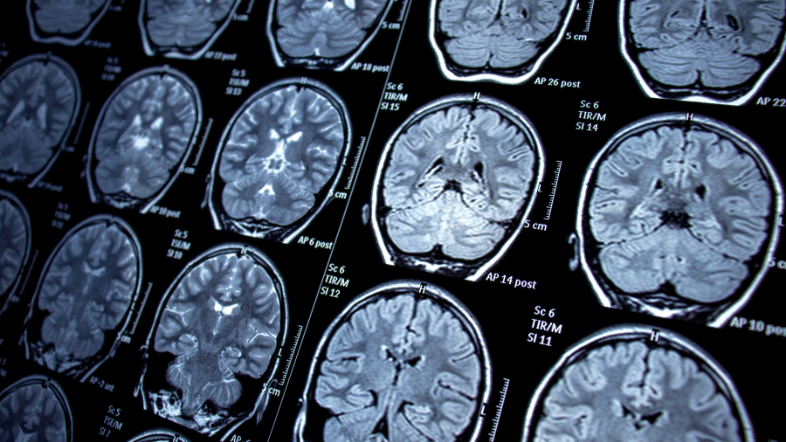
Neurological pain disorders—such as neuropathic pain, migraine, and fibromyalgia—remain among the most difficult indications in central nervous system (CNS) drug development. Pain trials are failing not because the science is weak, but because the model of clinical development for neurological pain has not evolved in over two decades.
Date: 16 January 2026 | Ref: ART014
Challenges and limitations in modern CNS and pain clinical trials
Despite deep biological insight and a robust pipeline of novel mechanisms, it is estimated that 85% of CNS, including pain programs continue to fail in Phase II or III due to modest effect sizes, high placebo responses, and substantial data variability.
The International Association for the Study of Pain (IASP) defines pain as “an unpleasant sensory and emotional experience associated with, or resembling that associated with, actual or potential tissue damage.”
Neuropathic pain, migraine, spinal cord injury–related pain, and painful diabetic neuropathy all arise from dysfunction in neural pathways rather than simple tissue injury. Yet patients with the same diagnosis often show strikingly different symptom profiles, treatment responses, and functional impairment. This biological and phenotypic heterogeneity is a core reason why pain trials are difficult to interpret and reproduce.
At the same time, pain trials rely heavily on patient-reported outcomes (PROs), such as numerical rating scales or daily pain diaries. While regulators accept these tools, they are inherently variable and vulnerable to recall bias, mood effects, and inconsistent adherence. The U.S. Food and Drug Administration (FDA), European Medicines Agency (EMA), and other major agencies have therefore emphasised the need for PROs to be collected in ways that ensure reliability, interpretability, and minimal bias.
Because pain is subjective, fluctuating, and deeply influenced by behavior and context, it demands more sophisticated methods for measurement, engagement, and data interpretation. By modernising how pain trials are designed and run, sponsors can improve signal detection, reduce variability, and accelerate development timelines across this high-burden therapeutic area.
Why Traditional CNS Trial Models Are No Longer Sufficient
Historically, many CNS and pain studies have been built around, complex, rigid protocols, site-centric recruitment and assessment, passive outreach relying on investigator networks, minimal personalisation of the patient experience.
In pain indications, this approach magnifies existing problems. Patients with fluctuating symptoms struggle to attend frequent in-person visits, comply with complex diary requirements, or remain engaged over long trial durations. High dropout rates, protocol deviations, and inconsistent endpoint data undermine statistical power and inflate placebo response and prolong timelines. Slow recruitment and high screen failure rates can delay studies by months, if not years.
Why Sponsors Must Modernise Now
Several factors make modernisation not only desirable but necessary:
- Regulatory expectations are evolving. Global regulators are increasingly focused on endpoint reliability and patient experience, requiring quality PRO capture, digital assessments, and robust measurement standards.
- Operational costs are escalating. Slow recruitment and high dropout inflate per-patient costs. Improvement in retention or recruitment efficiency can reduce overall trial costs materially.
- Competition for patients is intensifying, increasing the importance of data-driven outreach and engagement strategies.
Transforming CNS and pain clinical trials through adaptive design and patient-centric approaches
Re-shaping CNS Trials
Adaptive, data-driven trial designs allow ongoing evaluation of treatment response and enable protocol elements—such as dose, randomisation, or population enrichment—to be refined as evidence accumulates. In pain trials, where endpoint variability and placebo response are high, this approach can accelerate study completion, reduce the number of patients required to demonstrate efficacy, and improve cost efficiency while maintaining regulatory-grade statistical rigor.
CNS, including pain research increasingly explores phenotype-based characterisation and real-world data to support more precise patient identification and stratification. In pain research, detailed phenotyping (including symptom patterns and psychosocial profiles) is recognized as a way to understand and potentially predict treatment response, and real-world data initiatives have been used to map patient characteristics and aid trial planning. While biomarker-based enrichment is more established in other therapeutic areas such as oncology, its use in CNS pain and related indications is emerging and represents a promising direction for improving trial efficiency and relevance to the target population.
Re-Engineering Recruitment and Engagement in Pain Trials
Recruitment is one of the largest cost and timeline drivers in pain studies. Traditional site-led screening often yields slow enrollment and high screen-failure rates. Modern pain trials are therefore moving toward recruitment engines, not one-off campaigns.
Digital platforms, patient registries, and AI-driven matching tools now allow sponsors and CROs to identify eligible patients based on diagnosis, symptom profile, geography, and treatment history. Hybrid models—combining virtual pre-screening with in-clinic confirmation—can dramatically accelerate enrollment while maintaining data quality.
Equally important is engagement. Pain patients are often fatigued, frustrated, and skeptical. Trials that succeed are those that make participants feel seen and supported. This includes:
- Simple, patient-centric protocols
- Flexible scheduling and remote visit options
- Clear educational materials, including videos and interactive content
- Regular communication to reinforce purpose and progress
- Compensation for time, travel, and inconvenience
By reducing burden and increasing transparency, these measures directly improve adherence, retention, and endpoint reliability.
Understanding patient and caregiver challenges is imperative. Trials that incorporate patient insight into protocol design, endpoint selection, and visit schedules are more likely to capture meaningful change rather than noise.
Future Directions
Looking forward, the convergence of artificial intelligence, real-world data, and digital health will further transform pain trials. Predictive recruitment models, real-time endpoint analytics, and continuous learning designs will allow sponsors to test hypotheses faster and with fewer patients—an essential capability in a field defined by variability and placebo sensitivity.
At Aixial we combine deep understanding of the unique challenges of CNS and pain trials with the continuous adoption of advanced technologies and emerging digital tools to support our clients with efficient patient enrollment, standardized and high-quality assessments, and real-time monitoring of trial data across development programs.
TO GO FURTHER




How can we support your next project?
Whether you’re looking for a protocol review or a proposal,
simply reach out to us by filling our request for proposal.