Glioblastoma: Symptoms, treatment and research advances
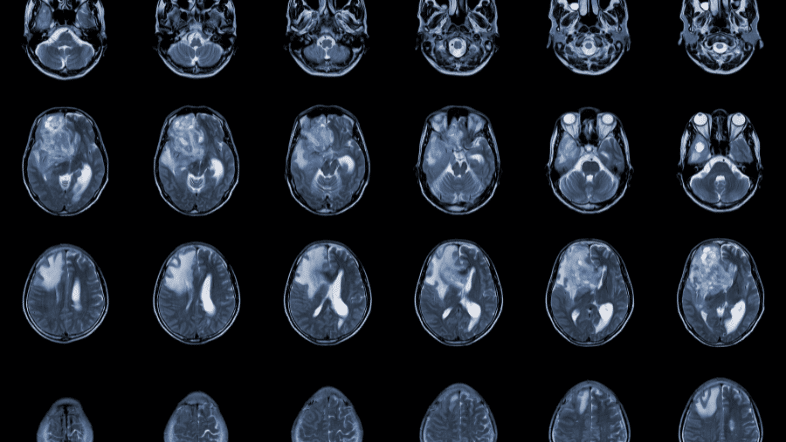
Glioblastoma (GBM) remains one of the most challenging diseases in neuro-oncology. As the most common and aggressive primary brain tumour in adults, it is characterised by rapid growth, extensive infiltration of surrounding brain tissue and a high risk of recurrence. Despite significant advances in medical science, glioblastoma continues to represent a major unmet medical need, highlighting the importance of ongoing research and innovation in the field.
While current treatment strategies can help slow disease progression and improve quality of life, long-term disease control remains difficult to achieve. Researchers, clinicians and life sciences organisations worldwide are therefore working to develop more effective and personalised therapeutic approaches.
Date: 13 July 2026
What is glioblastoma?
Glioblastoma is a malignant tumour that originates from glial cells, particularly astrocytes, which play a key role in supporting and protecting neurons within the central nervous system. Classified as a World Health Organization (WHO) Grade IV glioma, it represents the most advanced and aggressive form of glioma.
One of the defining characteristics of glioblastoma is its highly invasive nature. Tumour cells can migrate into surrounding brain tissue, making it extremely difficult to clearly distinguish tumour margins and achieve complete surgical removal. This infiltrative behaviour contributes significantly to treatment resistance and disease recurrence.
Glioblastoma predominantly affects adults, with incidence increasing with age and peaking between 45 and 75 years. It is also slightly more common in men than in women.
Recognising the symptoms of glioblastoma
The clinical presentation of glioblastoma varies according to the tumour’s size, growth rate and location within the brain. Since many symptoms are non-specific, diagnosis can sometimes be delayed.
Common symptoms
Signs and symptoms that may warrant medical attention include:
- Persistent or unusual headaches
- Nausea or vomiting without an obvious cause
- Seizures, sometimes as the first sign of the disease
- Weakness in an arm or leg
- Problems with balance or coordination
- Speech or language difficulties
- Memory, concentration or cognitive problems
- Changes in mood, behaviour or personality
As these symptoms may also be associated with other neurological conditions, a comprehensive medical assessment is essential when symptoms persist or progressively worsen.
How is glioblastoma diagnosed?
The diagnostic pathway typically begins with a detailed neurological examination aimed at evaluating motor, sensory and cognitive functions.
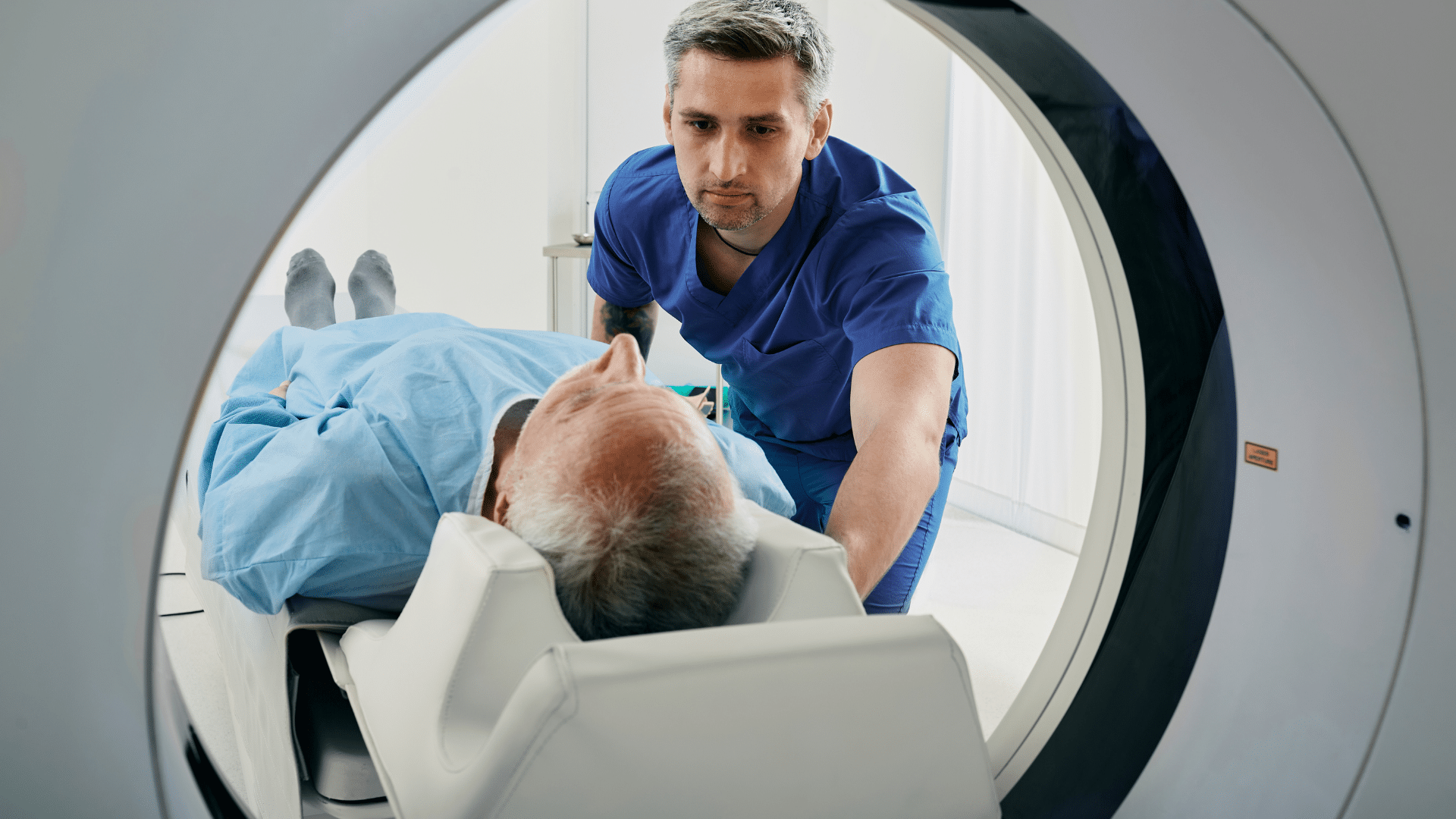
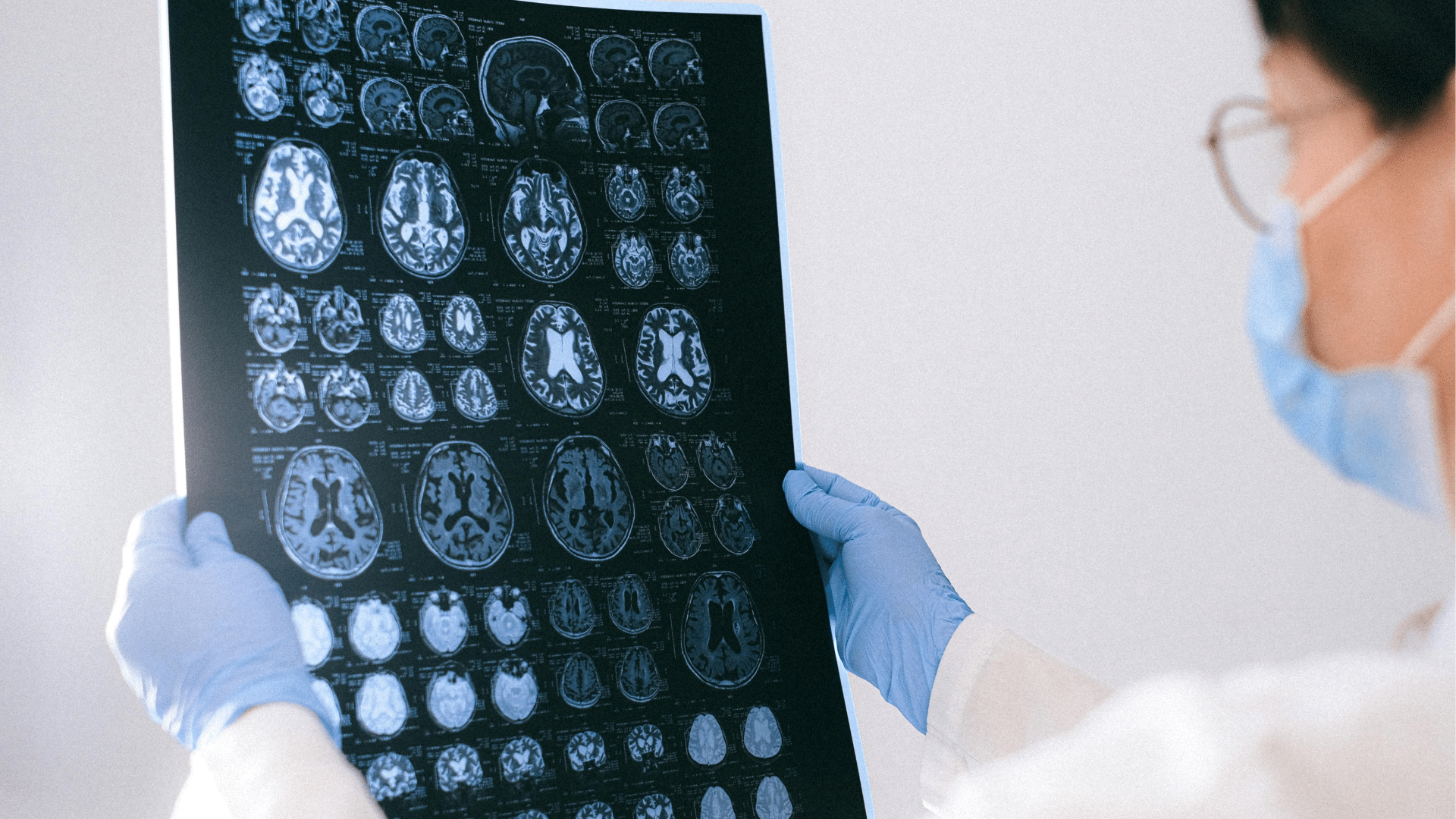
Neuroimaging plays a central role in diagnosis. Magnetic Resonance Imaging (MRI) is the gold-standard technique for identifying brain tumours, enabling physicians to assess tumour location, size and potential infiltration of surrounding structures. Computed Tomography (CT) scans may also be used as part of the diagnostic workup.
Definitive diagnosis requires histopathological analysis of tumour tissue obtained through biopsy or surgical resection. Beyond confirming the diagnosis, molecular and genetic characterisation of the tumour is becoming increasingly important for guiding treatment decisions and supporting the development of precision medicine approaches.
Current treatments strategies
The current standard of care for glioblastoma relies on a multimodal treatment approach combining surgery, radiotherapy and chemotherapy. Treatment decisions are made through multidisciplinary collaboration involving neurosurgeons, neuro-oncologists, radiation oncologists and other specialists.
Surgical resection
Surgery remains the first-line treatment whenever feasible. The goal is to remove as much of the tumour as possible while preserving neurological function. However, due to the diffuse and infiltrative nature of glioblastoma, complete tumour removal is rarely achievable.
Radiotherapy
Radiotherapy is typically administered following surgery to target residual tumour cells and limit disease progression. It remains a fundamental component of glioblastoma management.
Chemotherapy
Temozolomide currently represents the standard chemotherapy used in glioblastoma treatment. Frequently administered alongside and following radiotherapy, it helps slow tumour growth and prolong disease control in selected patients.
Although these therapies have improved patient outcomes over the past decades, recurrence remains common, underscoring the need for continued therapeutic innovation.
Emerging research and future perspectives
Despite ongoing challenges, glioblastoma research continues to advance across multiple scientific domains.
Advancing precision medicine
Growing knowledge of the molecular and genetic diversity of glioblastoma is driving the development of more personalised treatment strategies. Researchers are increasingly focusing on identifying biomarkers and molecular targets that may help optimise therapeutic decision-making and improve outcomes for individual patients.
Novel therapeutic approaches
A range of innovative treatment modalities is currently under investigation, including targeted therapies designed to selectively attack tumour cells while limiting damage to healthy tissue. Research is also exploring technologies aimed at improving tumour visualisation and resection during surgery.
The critical role of clinical research
Clinical trials remain essential to advancing glioblastoma treatment. They provide opportunities to evaluate emerging therapies, generate critical scientific evidence and accelerate the translation of research discoveries into clinical practice. Participation in clinical research may also provide patients with access to innovative therapeutic options under investigation.
For the life sciences industry, glioblastoma represents a powerful example of the importance of collaboration between researchers, clinical development experts, healthcare professionals and patients to address complex medical challenges and drive innovation.
Glioblastoma remains one of the most aggressive and difficult-to-treat brain tumours. Its rapid progression, infiltrative behaviour and high recurrence rate continue to present significant clinical challenges.
However, ongoing advances in molecular biology, precision medicine and clinical research are expanding our understanding of the disease and creating new opportunities for therapeutic innovation. While substantial unmet needs remain, the continued efforts of the scientific and medical communities are helping to shape a future in which more effective, personalised treatment strategies may become a reality for patients affected by glioblastoma.
Q&A
Is glioblastoma a type of brain cancer?
Yes. Glioblastoma is a malignant brain tumour that develops from glial cells. It is the most common type of primary brain cancer in adults.
What are the early symptoms of glioblastoma?
Common symptoms include persistent headaches, seizures, nausea, balance or coordination problems, as well as memory and concentration difficulties.
What causes glioblastoma?
The exact causes of glioblastoma are not yet fully understood. Ongoing research aims to better understand the biological and genetic mechanisms involved in the development of the disease.
Is glioblastoma hereditary?
In the vast majority of cases, glioblastoma is not considered a hereditary condition. Familial cases are rare.
Are new treatments being developed?
Yes. Researchers are currently investigating a range of innovative approaches, including targeted therapies, precision medicine strategies, and novel drug candidates designed to improve outcomes beyond those achieved with current standard treatments.
TO GO FURTHER




How can we support your next project?
Whether you’re looking for a protocol review or a proposal,
simply reach out to us by filling our request for proposal.